Not an Event, Experience Ecosystem: Why Brands No Longer Just Want Organization?
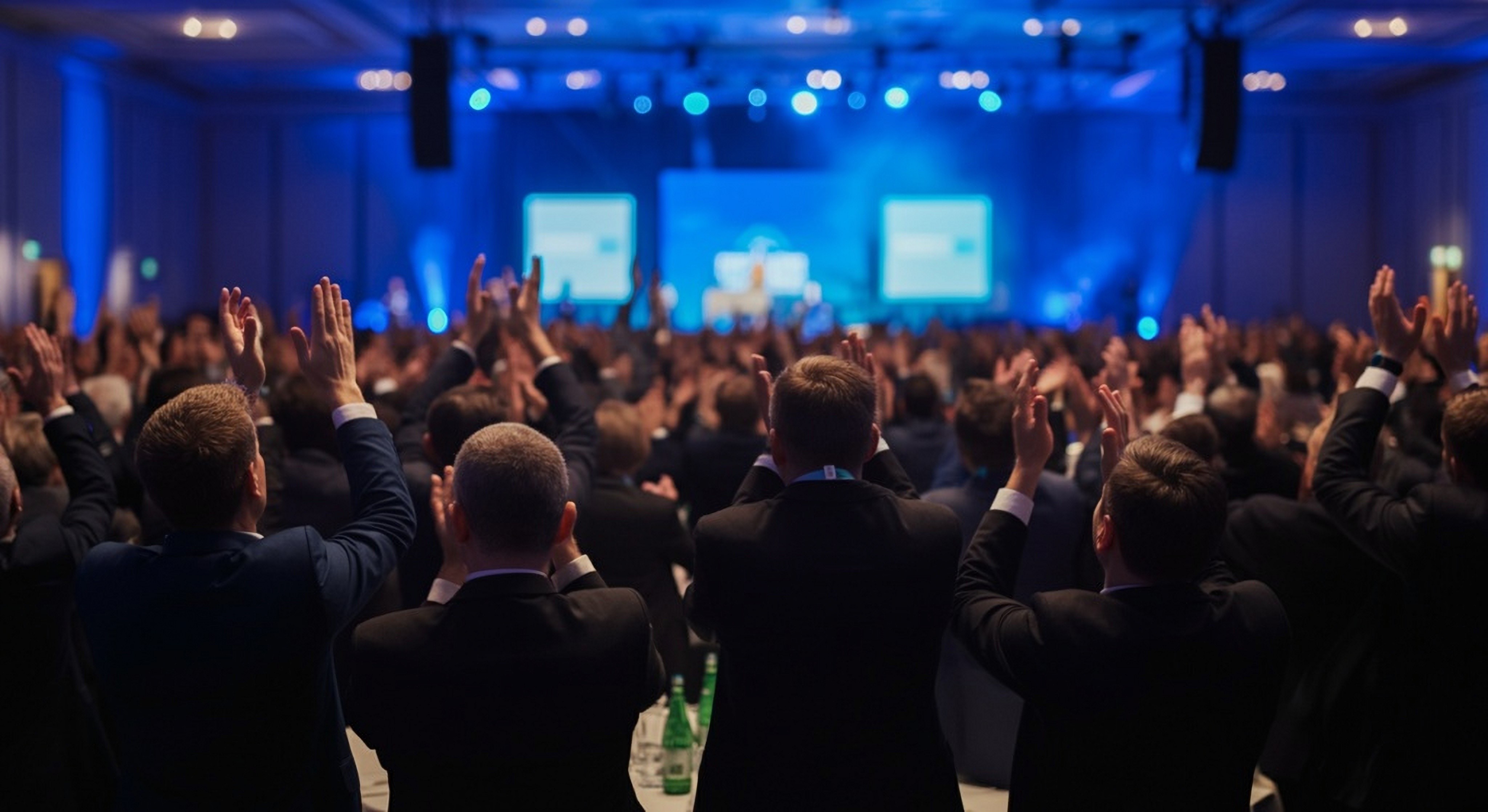
Today, brands not only want to organize events but also establish strategic and lasting connections with their target audiences. This article explains how events are transforming into experiential ecosystems and becoming central to marketing strategies. Discover the new generation of experience approaches that transition from organization to impact.
For many years, the event industry was built around “organizing events.” Venues were set, stages were constructed, speeches were made, and the day would end. However, in today's world, brands no longer just want to hold an event; they demand experience ecosystems that create measurable, strategic, and lasting impact.
Because competition is no longer a visibility battle; it is a battle of meaning.
Consumers and employees are exposed to hundreds of messages every day. The likelihood of an ordinary event being remembered is almost nonexistent amidst digital noise, advertising bombardment, and content clutter. At this point, the role of events is changing: they are transforming from an organization into live touchpoints that serve the brand's strategic objectives.
What is an Experience Ecosystem?
An experience ecosystem means that an event is not just what happens on stage. It encompasses the planned before, during, and after; it includes both physical and digital layers; and it is a holistic structure that produces data and transforms that data into the brand’s future decisions.
Consider a launch. If this launch is only an on-stage presentation, its impact lasts for a few hours. However, if there are teaser content before the launch, personalized digital experiences during the event, and post-event marketing actions based on participant data, then it is no longer just an event, but a living brand platform.
Why Do Brands Want This Transformation?
Because the marketing funnel has changed. People now want to experience something before making a purchase. Brands have realized that events are the strongest area where they can control the experience. An event is the stage where a brand’s character is most clearly displayed: its courage, vision, how it uses technology, and the value it places on people become visible here.
That’s why new generation brands are asking:
“Does this event represent my brand, or does it just offer a program?”
There is No Experience Without a Strategic Layer
Experience design starts with creativity but deepens with strategy. Who is the target audience? What behavior change is aimed for? What data will be collected? What marketing actions will it be linked to? Events held without answering these questions can be well-organized but strategically wasted budgets.
That’s why the role of modern event agencies has changed. They are no longer just implementers, but experience architects. They have become multi-layered structures that understand the brand's business objectives, use technology correctly, and manage operations flawlessly.
The Future: Living Experiences
In the future, events will be less “instant” and more “process-oriented.” Participants will be part of a journey rather than just a day. The experience that starts in a physical space will continue in a digital world. Data will not be the enemy of creativity; it will be the invisible infrastructure that feeds it.
In summary:
Brands now want systems, not stages.
They want impact, not just a show.
They want experience ecosystems, not just organizations.
And brands that understand this transformation are turning into not only remembered but also connected brands.